Every electrician has a story about a wire that was undersized for the load it was carrying — warm switchboards, tripping breakers, or worse. Getting wire gauge right isn't complicated once you understand what each size is actually built for, but it's also not something to guess at. Here's a practical breakdown of the most common residential sizes and where they belong.
1.0 sqmm — Low-Load Lighting Circuits
Single core multistrand wire at 1.0 sqmm is typically used for lighting points and other low-current circuits. It's not meant for general power sockets or appliances — the conductor cross-section simply isn't built to carry sustained higher current without excess heating.
1.5 sqmm — General Power & Socket Circuits
This is the workhorse size for most residential socket circuits — fans, general-purpose plug points, and small appliances. It offers a meaningful step up in current-carrying capacity over 1.0 sqmm while still being flexible and easy to route through conduit.
2.5 sqmm — Higher-Load Circuits
Air conditioners, water heaters, kitchen appliances, and other higher-draw loads need the extra headroom that 2.5 sqmm provides. Undersizing here is one of the most common causes of nuisance tripping and, in worse cases, insulation degradation from sustained heat.
Gauge Is Only Half the Equation
Wire gauge works together with circuit breaker sizing, run length, and ambient temperature — not in isolation. A correctly sized wire on an incorrectly rated breaker (or vice versa) defeats the purpose of either. Longer cable runs also introduce voltage drop, which can call for a size increase even when the load itself wouldn't otherwise require it. This is exactly why final circuit design should always go through a licensed electrician who can calculate load, run length, and derating together — this guide is meant to help you understand the reasoning, not replace that step.
What to Look for in the Wire Itself
- 99.9% pure electrolyte grade copper for consistent conductivity across the full run
- High-grade FR (flame retardant) PVC insulation rated for the intended voltage grade
- Bright annealed copper for flexibility during installation, especially around tight conduit bends
- A voltage grade rating appropriate to the circuit — UPD's multistrand range is rated up to 1100V
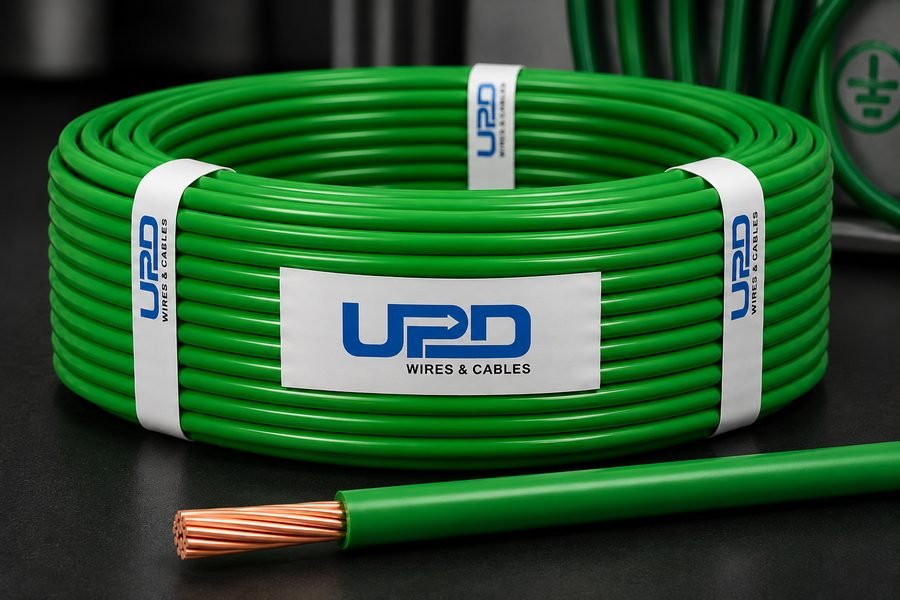
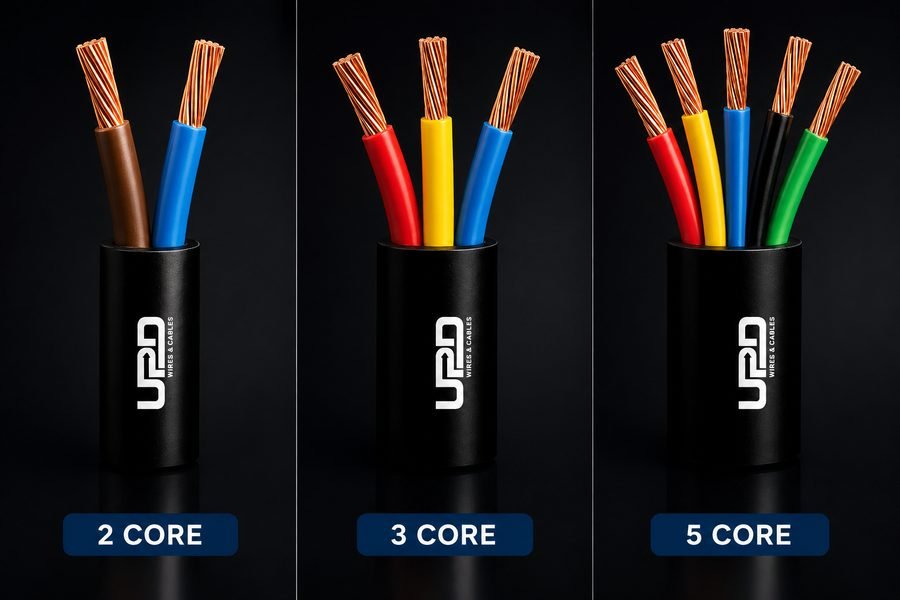
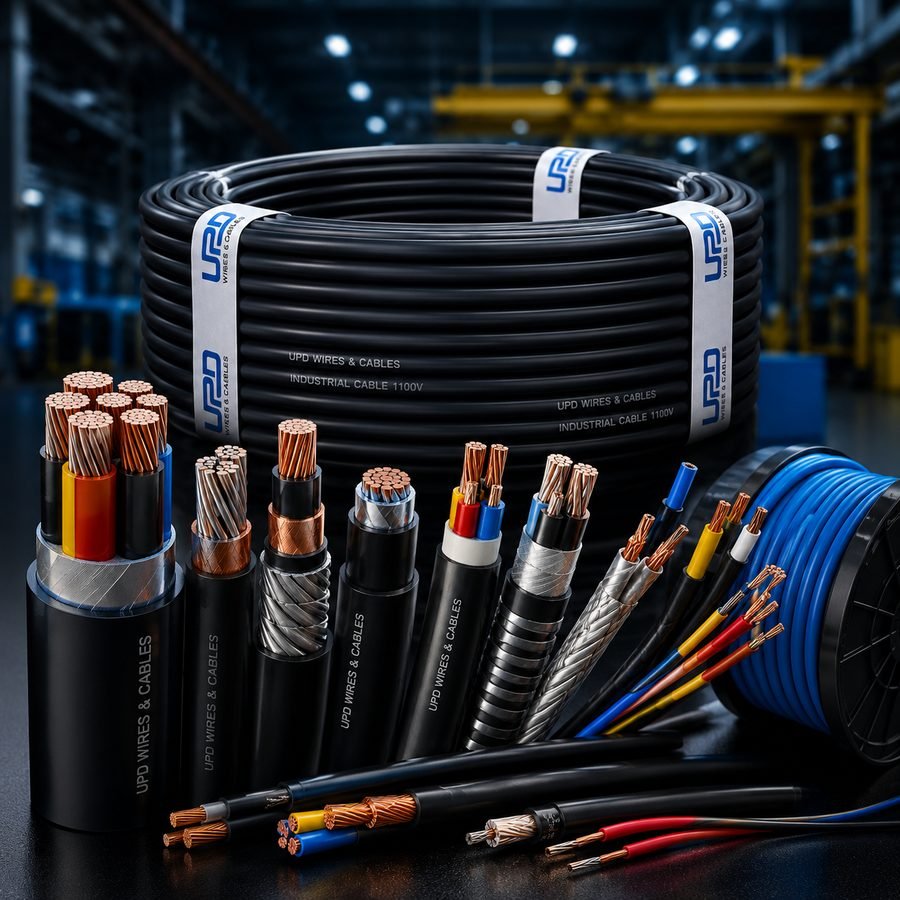
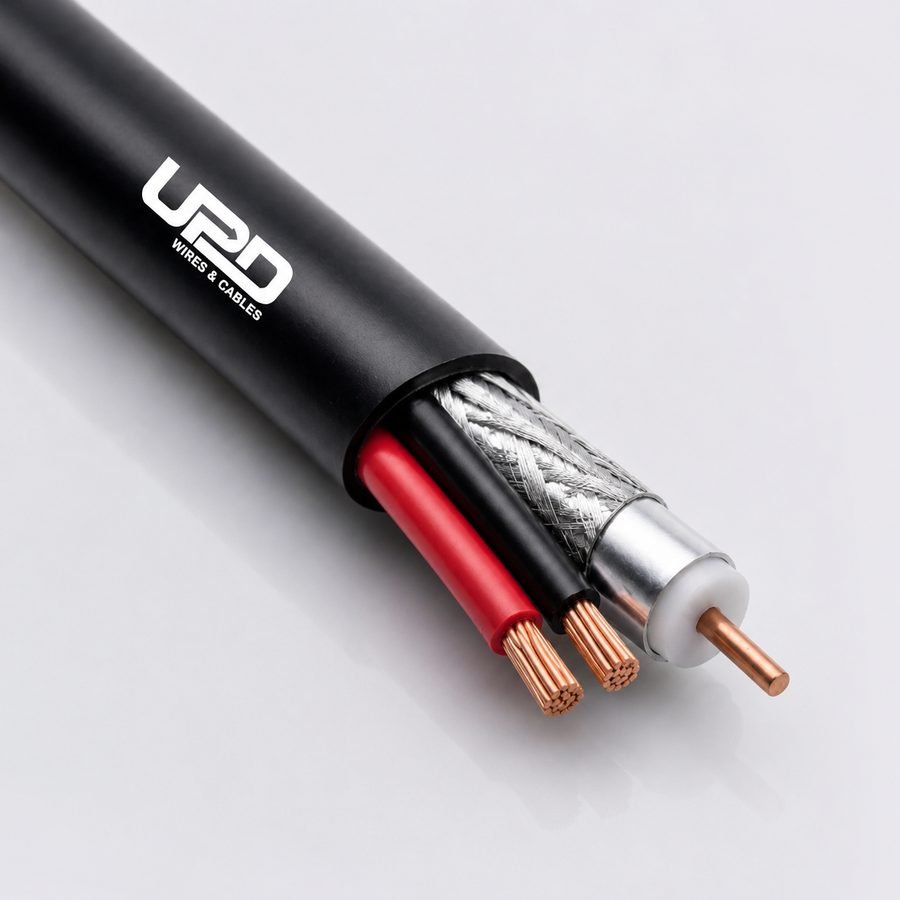
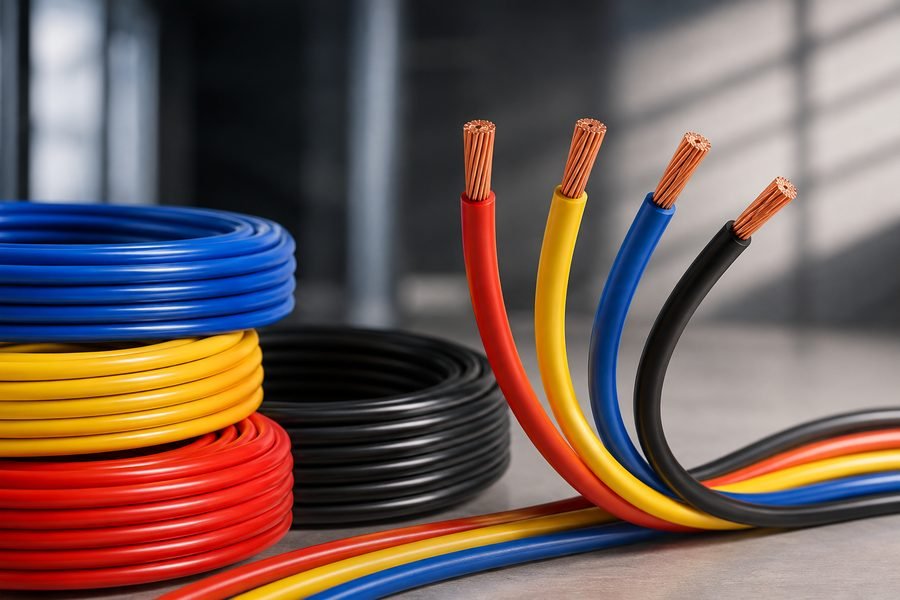
UPD's Single Core Multistrand range covers 1.0 sqmm, 1.5 sqmm, and 2.5 sqmm for residential use, alongside high-flexibility 3-core and 4-core cables for heavier industrial circuits — all built on the same copper purity and insulation standards described above.