"FR PVC" shows up on almost every wire spec sheet, but it's easy to skim past without understanding what it actually buys you. It's not marketing language — it describes a specific behavior the insulation is engineered to have when things go wrong.
What "Flame Retardant" Actually Means
Standard PVC insulation will sustain and spread a flame once ignited. Flame retardant (FR) PVC is formulated to resist ignition and, critically, to self-extinguish rather than propagate fire along the length of the cable once the ignition source is removed. In a fault condition — a short circuit, an overloaded circuit, a damaged conductor arcing inside a conduit — that difference determines whether the incident stays contained or spreads.
Why It Matters More in Enclosed Runs
Most house wiring runs inside conduit, behind walls, or bundled in trunking — exactly the conditions where a fire has the least oxygen and the most fuel in the form of adjacent cables. FR insulation is specifically relevant here: a fault in one circuit shouldn't be able to ignite the insulation on neighboring cables in the same conduit run.
Signs of Quality Insulation
- Consistent wall thickness along the entire cable length, with no thin spots
- Smooth, even outer finish without visible bubbling or inconsistency
- Insulation that stays flexible rather than becoming brittle after bending
- A voltage grade rating printed clearly on the cable jacket
- Resistance to cracking when annealed copper conductors are flexed during installation
Cheap insulation cuts corners in ways that aren't visible until a wire is already installed behind a wall — inconsistent thickness, poor flame retardant additive distribution, or insulation that degrades faster under heat cycling. None of that shows up until it's already too late to matter for the cost saved.
What UPD Uses
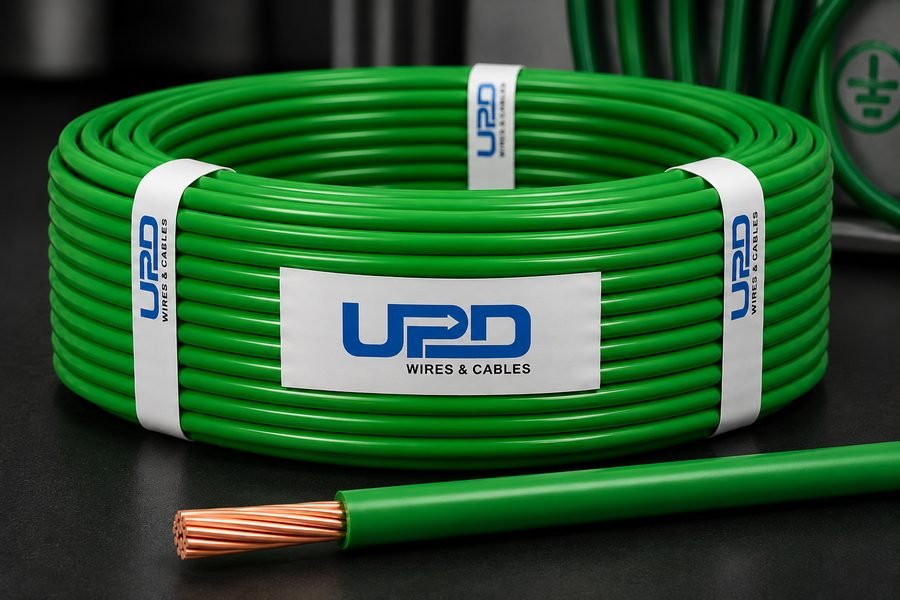
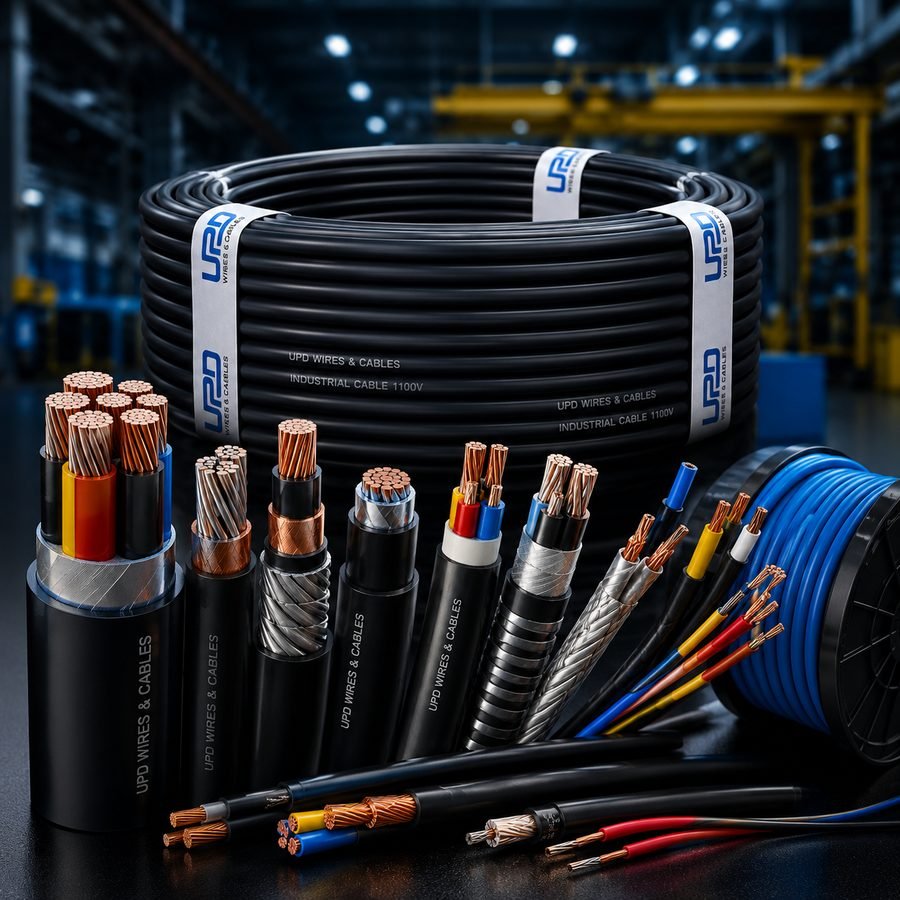
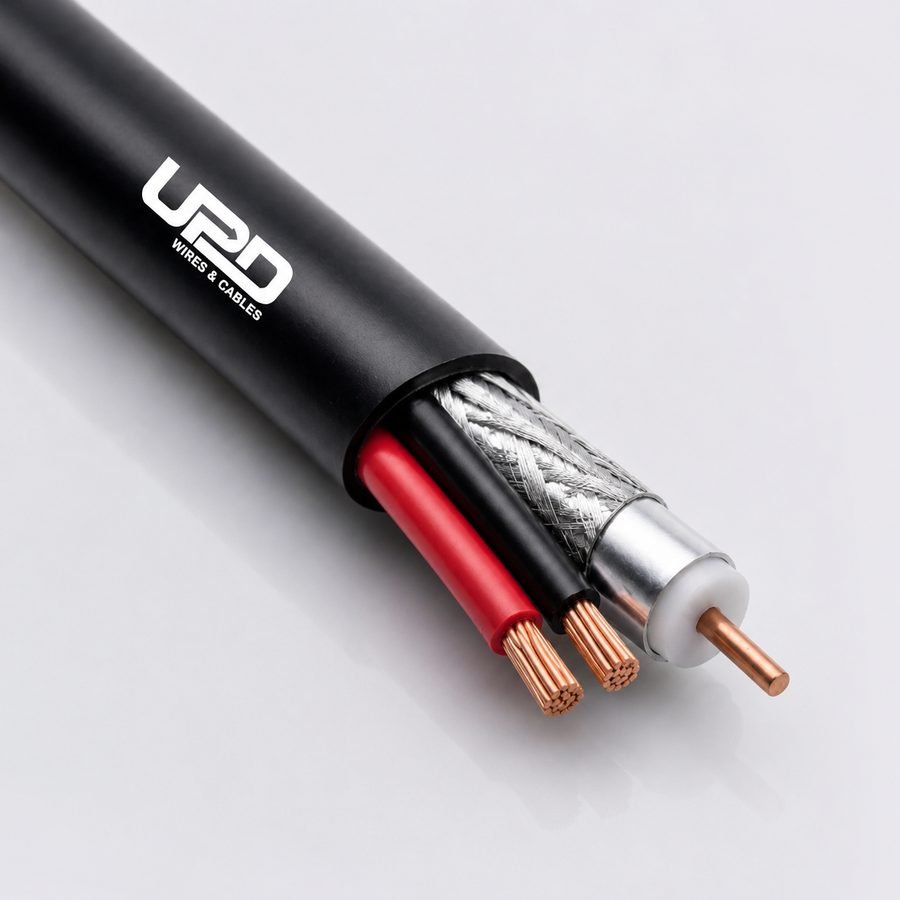
Every wire in UPD's housing and industrial range is manufactured with high-grade FR PVC insulation over 99.9% pure electrolyte grade copper conductors, rated up to 1100V and bright annealed for flexibility during installation. Every batch goes through quality checks before it leaves the factory — not just on the copper, but on the insulation itself.